Accelerating NF1 therapeutics

One of the most common rare diseases

Accelerating NF1 therapeutics

One of the most common rare diseases

Root cause focus.

Root cause focus.

We prioritize therapeutics that target the underlying neurofibromin deficiency for true disease modification.
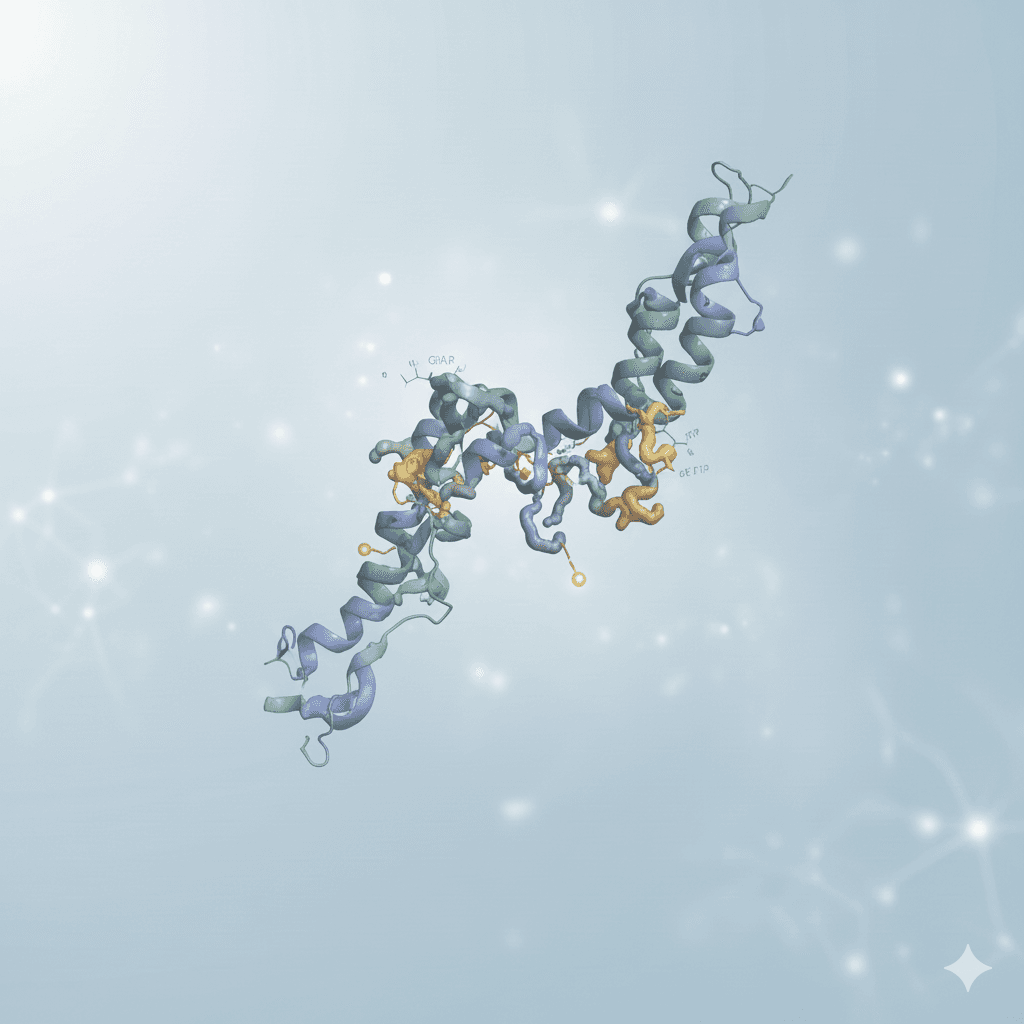
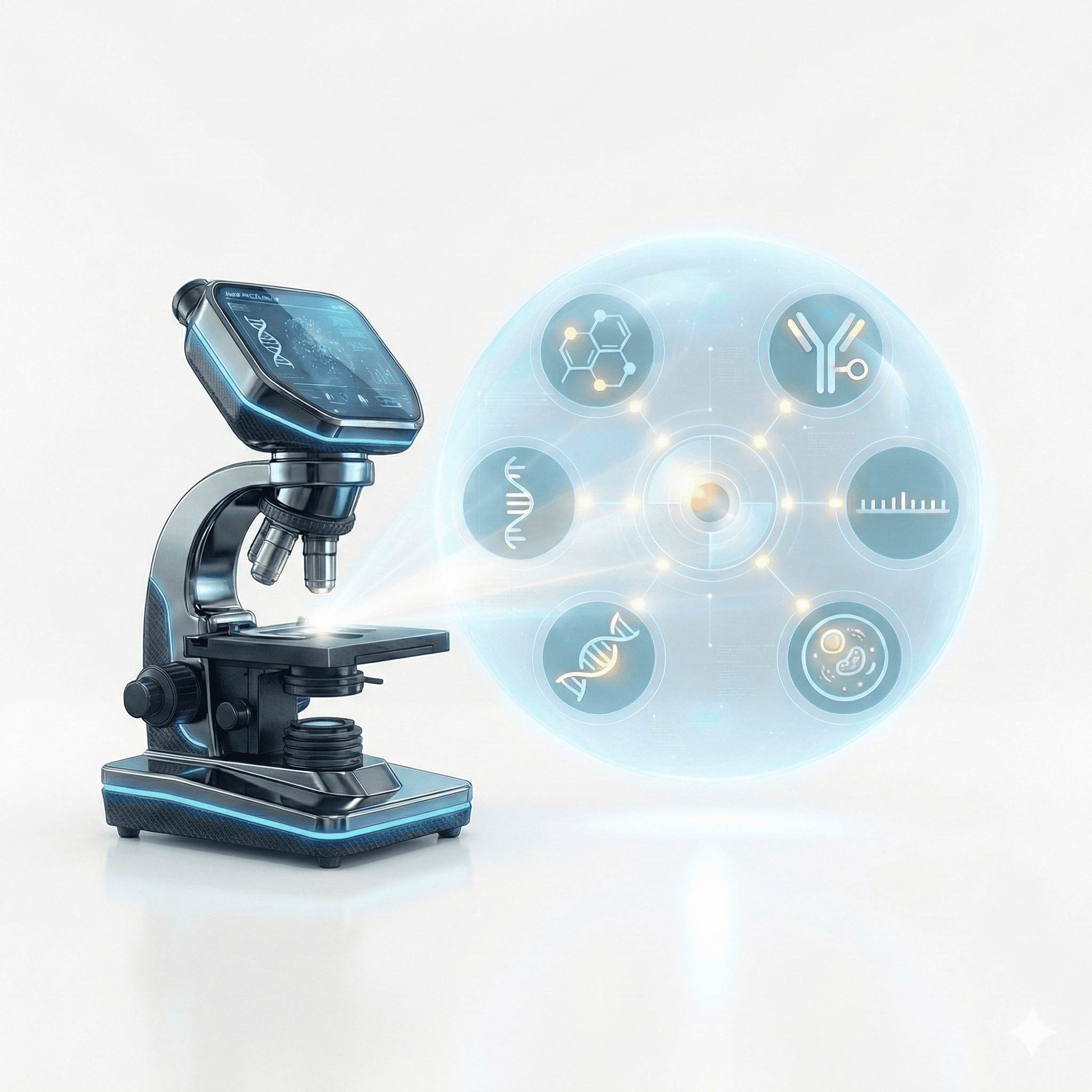
Seeking to expand.

We seek to expand the modalities and technologies used for Neurofibromatosis Type 1 therapies, focusing on those that are disease-modifying, kill tumor cells, or prevent symptom progression

Collaborative science.

Collaborative science.

We take an outcome-oriented approach to partnering with academics and biotechs and are laser-focused on clinical translation

Root cause focus.

We prioritize therapeutics that target the underlying neurofibromin deficiency for true disease modification.

Seeking to expand.

We seek to expand the modalities and technologies used for Neurofibromatosis Type 1 therapies, focusing on those that are disease-modifying, kill tumor cells, or prevent symptom progression

Collaborative science.

We take an outcome-oriented approach to partnering with academics and biotechs and are laser-focused on clinical translation

About Neurofibromatosis
Type 1

Neurofibromatosis is a genetic disorder caused by a deficiency of the neurofibromin protein, a key negative regulator of RAS. Main manifestations are tumor growth, neurocognitive, and orthopedic issues. Affects 100K in the US, 2M worldwide. There are 2 FDA-approved drugs, but significant unmet needs remain—especially addressing the root cause: neurofibromin absence.

100K+

US NF1 Patients

2M+

Global NF1 Patients

About Neurofibromatosis Type 1

About Neurofibromatosis Type 1

Neurofibromatosis is a genetic disorder caused by a deficiency of the neurofibromin protein, a key negative regulator of RAS. Main manifestations are tumor growth, neurocognitive, and orthopedic issues. Affects 100K in the US, 2M worldwide. There are 2 FDA-approved drugs, but significant unmet needs remain—especially addressing the root cause: neurofibromin absence.

100K+

US NF1 Patients

2M+

Global NF1 Patients

Indirect Costs Policy

As a non-profit organization, BRSCF allocates 5% of our sponsored research agreements to cover the grantee institution's indirect costs. This policy is rooted in our dedication to transparency, accountability, and effective use of our funds. By capping indirect costs at 5%, we ensure that every dollar received is maximized for the advancement of our mission by accelerating the development of NF1 therapeutics.

Indirect Costs policy

As a non-profit organization, BRSCF allocates 5% of our sponsored research agreements to cover the grantee institution's indirect costs. This policy is rooted in our dedication to transparency, accountability, and effective use of our funds. By capping indirect costs at 5%, we ensure that every dollar received is maximized for the advancement of our mission by accelerating the development of NF1 therapeutics.